

Written by Mohammad Nasim Amarkhel
Framing Digital Democracy in Afghanistan:
All around the globe, technology is changing the way people interact with their governments, share their views, and make those in power accountable. This blend of technology and governance, often referred to as digital democracy, holds great promise for making things more transparent and inclusive.
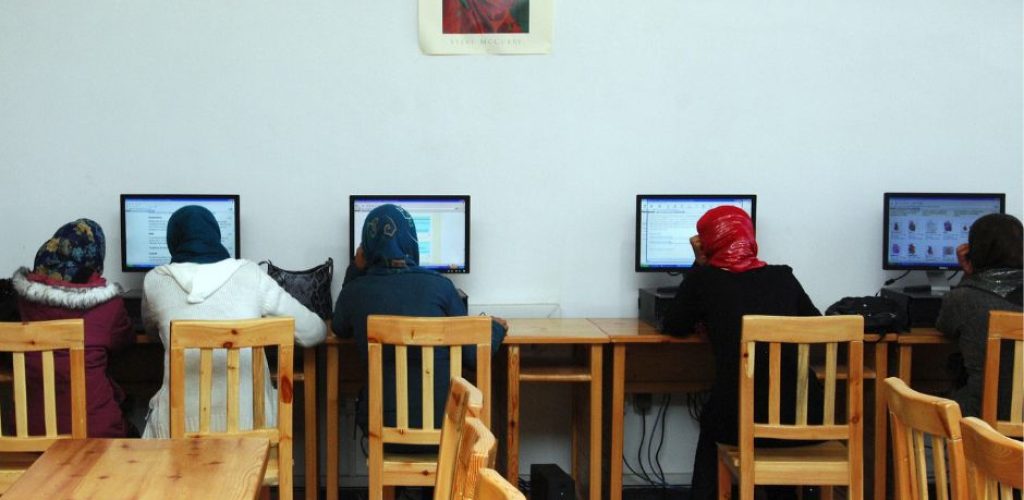
In Afghanistan, though, the situation is quite complicated. Factors like lack of internet access, economic challenges, and limits on free speech affect how citizens engage with technology. For many, especially young people in cities like Kabul, Herat, Mazar-i-Sharif, Kandahar, and Jalalabad, the internet remains one of the few places where they can express themselves and connect with others.
The DDI South Asia is looking into how this landscape is changing. They have conducted two national surveys, one targeting Afghan citizens and another examining civil society organizations to see how technology is shaping governance and civic life in Afghanistan.
The State of Digital Governance:
Afghanistan’s digital landscape reveals a mix of progress and challenges. A recent survey by DDI showed that younger people, especially those under 35, are driving most of the online activity. However, there's still a significant gender gap, with men making up the majority of users, which highlights ongoing issues with accessibility for women.
In cities like Kabul, Herat, Mazar-i-Sharif, Kandahar, and Balkh, internet use is thriving. In contrast, rural areas such as Badakhshan, Ghor, Bamyan, Zabul, and Paktika struggle with poor connectivity and high data costs. For many Afghans, smartphones are their primary means of accessing the internet, often serving as their only source for news, education, and government services. Some even pair their smartphones with laptops or tablets to access e-learning platforms, government websites, and online banking.
Despite these advancements, there are still hurdles to overcome. Many users reported that internet fees can be a significant burden, making it hard to use the internet regularly. The reliability of internet service also varies greatly from one region to another, leading to frustration and a lack of trust in online services.
On a positive note, there are signs of growth in digital engagement. More than half of the respondents say they have a digital ID (tazkira) or have utilized online government services, such as registering for a digital tazkira in Kabul or checking agricultural support programs in Nangarhar, demonstrating a growing willingness to engage with government services online.
Digital Democracy and Civic Participation:
As traditional public spaces shrank, digital platforms became essential for people to express themselves and engage with one another. In Afghanistan, especially among the youth, sites like Facebook, WhatsApp, Telegram, and Instagram are popular for discussing governance issues, organizing awareness campaigns, and sharing important updates about things like vaccination programs or local services.
Online activism has also become a quiet form of resistance. Afghans are using digital art, storytelling, and small acts of advocacy to keep their voices alive. For many, social media serves as both a connection to the wider world and a way to combat feelings of isolation.
However, the digital landscape isn't without its dangers. Many are careful about what they post, worried about being watched or facing backlash. Women, in particular, deal with significant challenges, including limited access, social limitations, and the risk of online harassment. Misinformation adds to the confusion, making it harder for people to feel engaged.
Civil Society: Resilient but Digitally Uneven:
Civil society organizations (CSOs) play a vital role in keeping local governance accountable, delivering services, and advocating for human rights. A recent survey conducted by DDI looked at 80 Afghan CSOs and found a dedicated and well-organized sector. However, many of these organizations are still catching up when it comes to digital skills.
Most of the CSOs surveyed are officially registered and able to handle small grants. They are primarily located in cities such as Kabul, Kandahar, Herat, Badakhshan, Balkh, and Nangarhar, focusing on important areas like empowering youth, promoting gender equality, civic participation, education, and health services. There is also a growing recognition among these organizations of the potential that technology holds for reaching a wider audience.
Yet, only a small number of them have tried out digital innovations. Many feel their technical skills are moderate, with a particular lack of expertise in cybersecurity, digital strategy, social media, and content creation. The good news is that every organization is eager to learn and improve in these areas.
Through initiatives like the South Asia Diversity Fund (SADF) and the South Asia Democracy Solidarity Block (SADSB), DDI is working to boost the digital skills and resilience of CSOs. These programs help Afghan civil society manage online risks and find new, safer ways to amplify their voices and engage with the community.
Challenges Along the Way:
Afghanistan is going through a delicate but hopeful transformation in its digital landscape. However, several challenges are holding it back:
Digital Divide
Access to technology isn't the same for everyone. Women and people living in rural areas, especially in provinces like Badakhshan, Bamyan, Daikundi, Zabul, Uruzgan, Kunduz, Baghlan, Kapisa, and Khost, often miss out. This gap is largely due to differences in gender, location, and income.
Affordability and Infrastructure:
High data costs and unreliable networks discourage consistent participation.
Digital Literacy Gaps:
Many citizens and CSO staff still lack the skills to navigate online platforms safely and effectively.
Safety and Expression:
Surveillance, online harassment, and misinformation erode trust and foster self-censorship.
Limited Innovation:
Few organizations have ventured beyond basic tools to explore new digital approaches for civic engagement.
These challenges remind us that digital democracy is not just about technology; it’s about people, protection, and participation.
Pathway Forward
Creating a strong digital democracy in Afghanistan takes time, teamwork, and a focus on the needs of the people. This journey is all about collaboration and commitment.
-
• Strengthen digital literacy and trust.
Citizens and CSOs need training in online safety, media literacy, and cybersecurity. -
• Equip CSOs for digital advocacy.
Targeted support can help them use technology securely and strategically for civic engagement. -
• Expand access and affordability.
Collaboration with telecom companies like Afghan Wireless and Roshan can make internet access more equitable and sustainable. -
• Foster inclusive design.
Digital services and e-governance tools, such as digital ID (tazkira) registration, e-school portals, and provincial health services, must be accessible to women, youth, and rural populations. -
• Protect online freedoms.
Stronger safeguards for privacy, freedom of expression, and digital safety are essential for sustainable civic participation.
Through continuous research, subgrants, mentorship, and collaboration with local civil society organizations, the DDI project advances its priorities, ensuring that Afghanistan's digital transformation benefits all citizens, not just the few who are connected.
Conclusion
Digital democracy offers Afghanistan a fragile but hopeful opportunity for connection, accountability, and civic engagement.
Recent surveys from DDI show that many citizens are eager to get involved online, despite facing challenges. Civil society groups are also ready to use new tools if they receive adequate support.
The journey ahead won't be simple, but by focusing on trust, access, and skills, Afghanistan can develop a digital landscape that includes everyone. Each interaction, message, and shared story represents a step toward a more inclusive digital future.
https://shorturl.fm/COR1O