

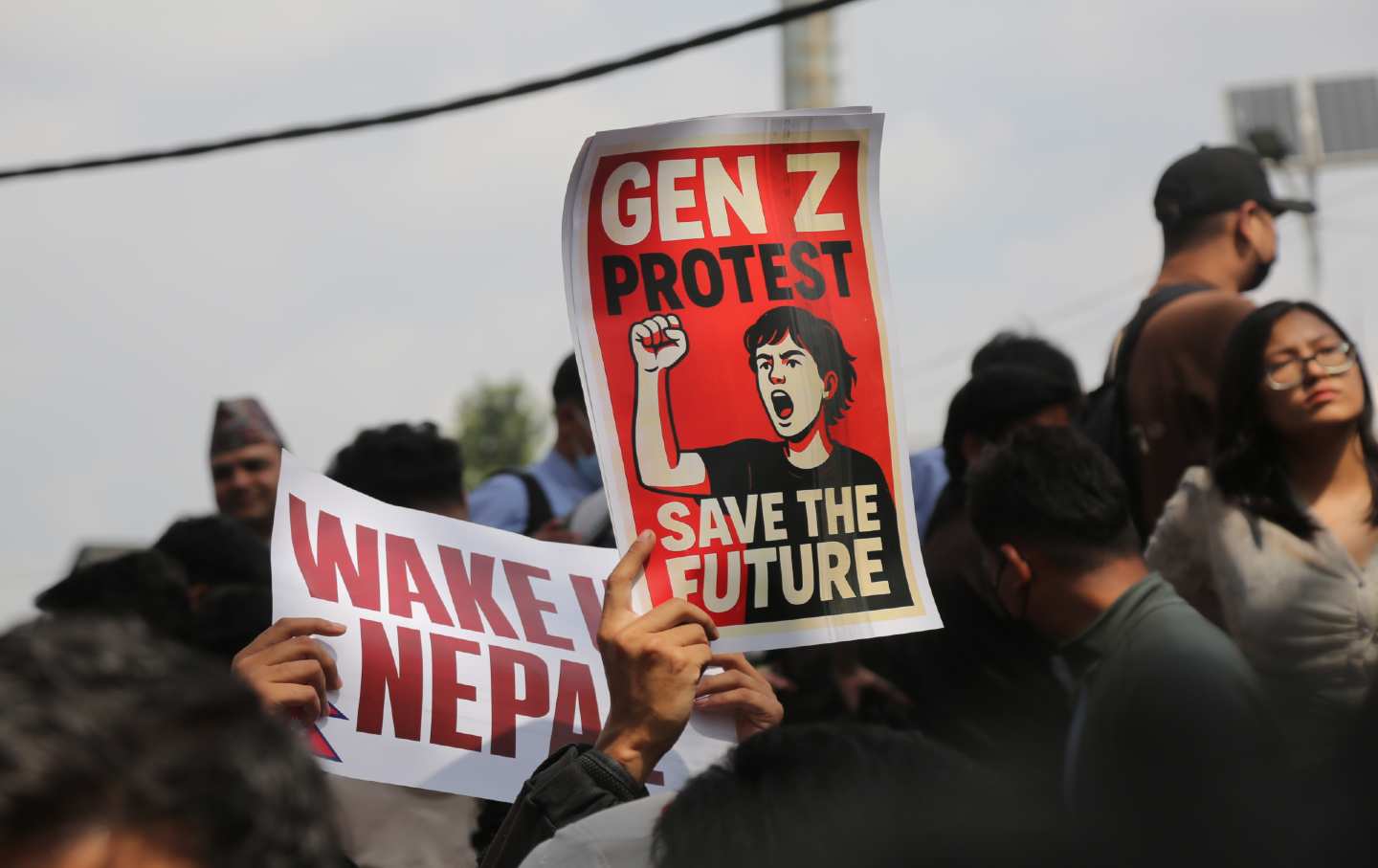
Digital Democracy, a new Ecosystem of Delivering Democracy in Nepal
Digital democracy in Nepal is rapidly reshaping governance, civic participation, and public accountability, but major challenges like digital divide, misinformation, and weak digital capacity persist. As the country undergoes political transition, strengthening secure, inclusive, and affordable digital systems remains essential for a more democratic future.

Fear and disparities loom over Pakistan’s digital future
Pakistan’s digital transition shows high connectivity but low empowerment, shaped by deep gender gaps, rural exclusion, and widespread self-censorship. Until fear, inequality, and trust deficits are addressed, access alone cannot translate into meaningful digital participation.
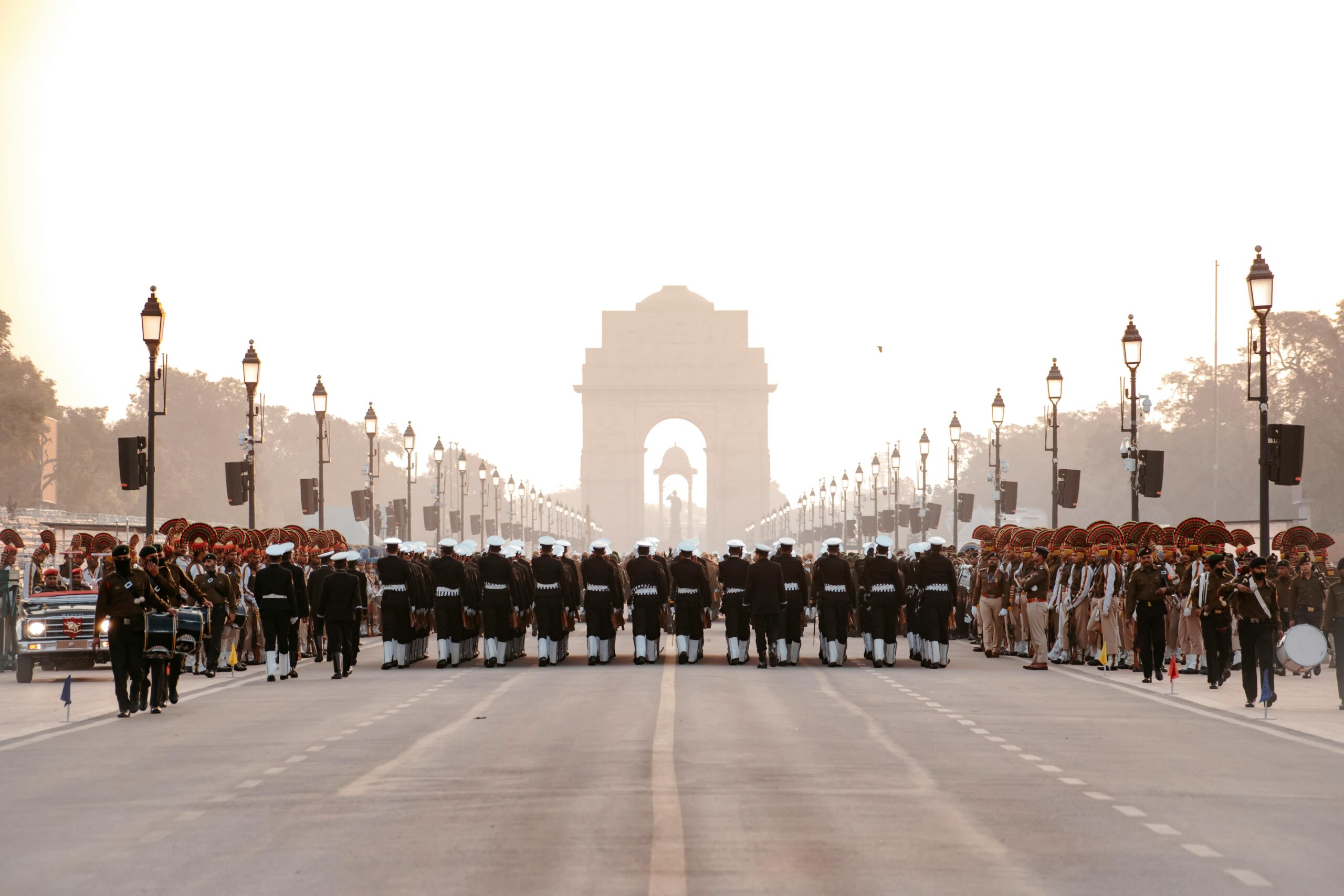
Mapping Digital Democracy: Lessons From India
India’s digital democracy is shaped by vibrant grassroots innovations, yet constrained by deep divides, restrictive laws, and shrinking civic space. Strengthening CSOs with long-term financial and technical support is essential to ensure every community can participate meaningfully in the country’s democratic future.
Digital Democracy in the Maldives: Mapping the Landscape, Challenges, and Opportunities
The Maldives presents a unique case within the digital democracy ecosystem of the region. As a small island nation with high internet penetration, strong social media engagement and an increasingly vibrant online civic space, digital technology has become central to political discourse, citizen mobilisation and public accountability. However, this growth also presents challenges related to digital rights, misinformation, and the shrinking space for independent voices online.
Digital Democracy in Afghanistan: A Fragile Frontier of Voice and Resistance
All around the globe, technology is changing the way people interact with their governments, share their views, and make those in power accountable. This blend of technology and governance, often referred to as digital democracy, holds great promise for making things more transparent and inclusive. In Afghanistan, though, the situation is quite complicated. Factors like lack of internet access, economic challenges, and limits on free speech affect how citizens engage with technology.
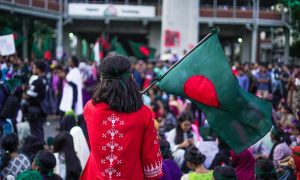
A journey towards democracy: youth perspective in Bangladesh
Bangladesh has experienced the emergence of youth and their proactive actions all over the country that brought the shift of political regime, which was assumed to be impossible to break the power of political encompassment. Simultaneously the then political government was becoming more autocratic, and the youth force was turning into action in many formations, including raising their collective voice in national and international platforms, participating in dialogues, and generating knowledge by drafting and developing vlogs, features and podcasts.
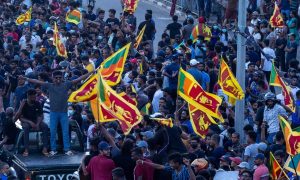
Digital Democracy: Challenges, Opportunities and the Way Forward for Sri Lanka
In a world where technology is rapidly reshaping how societies operate, the concept of democracy itself is being transformed. For Sri Lanka, which has faced limitations in access, infrastructure, and a coherent national strategy for digital services for years, this transformation presents both significant opportunities and serious risks. As the new Government of Sri Lanka makes digital transformation a national priority, the concept of “digital democracy” gains importance, not just as a technological ambition, but as an essential part of democratic governance, citizen participation, and inclusive development.
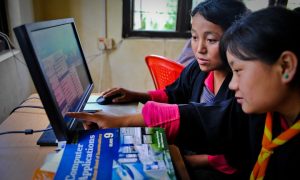
Bhutan’s Digital Ecosystem
Bhutan, a country renowned for prioritising Gross National Happiness over Gross Domestic Product, surprised the world in 2008 by transitioning from an absolute monarchy to a constitutional democracy. Now, it has embarked on an equally ambitious endeavour: creating a digital ecosystem in which the interest of citizen empowerment and democratic participation takes precedence over efficiency or surveillance.
The progress has indeed been remarkable. Yet, between this inspiring vision and day-to-day reality lies the so-called “last mile,” a critical gap in which civil society organisations can support the translation of Bhutan’s digital achievements into actual democratic participation.

Digital literacy among youth helped prevent electoral violence in Bangladesh
January 12, 2026, is undoubtedly a watershed moment in Bangladesh’s journey towards the restoration of democracy in its fullest form. After 16 long years, people of every class, race, religion, and caste exercised their right to vote in a genuinely contested election, reclaiming their civic rights. Out of the 180 million Bangladeshis, nearly 120 million were registered as voters, and about 75 million of them (around 60 percent) went to polling stations to vote. For the first time, expatriate voters also voted.
The January 12 elections were the 13th National Parliamentary Election, in which a total of 2,034 candidates contested the election.